

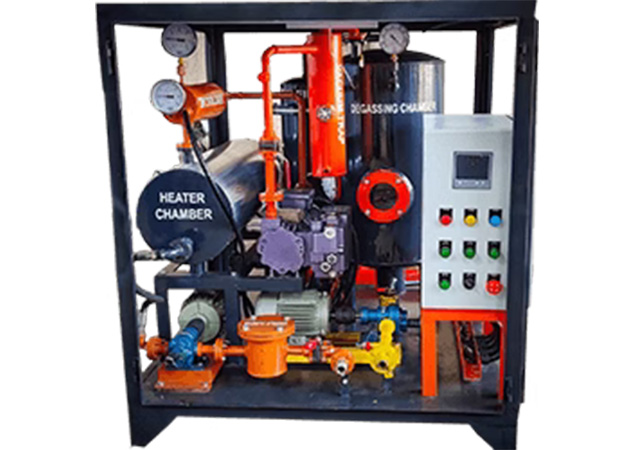
Turbine/Lubricating Oil Filtration Plant: The Complete Guide to Industrial Oil Purification, Equipment Protection & Extended Oil Life
Turbine/Lubricating Oil Filtration Plant: Why Clean Lubricating Oil is Essential for Industrial Equipment
Industrial machinery represents a significant investment for power plants, manufacturing facilities, refineries, steel plants, cement factories, paper mills, marine industries, and heavy engineering companies. To ensure these machines operate efficiently and reliably, high-quality lubricating oil is essential.
Lubricating oil performs several critical functions. It reduces friction between moving parts, minimizes wear, dissipates heat, prevents corrosion, and ensures smooth operation of bearings, gears, turbines, compressors, and hydraulic systems. However, as equipment operates under demanding conditions, the oil gradually becomes contaminated by moisture, oxidation products, sludge, carbon particles, dust, metal wear debris, and dissolved gases.
If these contaminants are not removed, the oil loses its lubricating properties, causing increased friction, overheating, accelerated component wear, higher maintenance costs, and unexpected equipment failures. Replacing large volumes of industrial lubricating oil is expensive and often unnecessary.
Instead, industries rely on advanced Turbine/Lubricating Oil Filtration Plants to restore oil quality and extend lubricant service life. These systems remove moisture, gases, and solid contaminants while preserving the oil's original characteristics, helping organizations reduce operating costs and improve equipment reliability.
What is a Turbine/Lubricating Oil Filtration Plant?
A Turbine/Lubricating Oil Filtration Plant is an advanced oil purification system designed to remove contaminants from turbine oils, hydraulic oils, circulating oils, and industrial lubricating oils.
The system combines vacuum dehydration, degassing, precision filtration, and controlled heating to restore oil cleanliness and improve lubrication performance.
It effectively removes:
- Free water
- Dissolved moisture
- Dissolved gases
- Sludge
- Oxidation products
- Carbon particles
- Dust and dirt
- Rust particles
- Metal wear debris
- Mechanical contaminants
Instead of discarding expensive lubricating oil, industries can purify and reuse it multiple times, making oil filtration both economical and environmentally responsible.
Why Does Lubricating Oil Become Contaminated?
No industrial lubricant remains in perfect condition forever. Even under normal operating conditions, lubricating oil is exposed to factors that gradually reduce its performance.
Moisture Contamination
Moisture is one of the most damaging contaminants in industrial lubricating oil. Water can enter the lubrication system through condensation, leaking seals, humid operating environments, cooling system failures, or maintenance activities.
Even small amounts of water reduce lubrication efficiency and accelerate oil degradation.
Oxidation
Lubricating oil is continuously exposed to oxygen and elevated temperatures. Over time, this causes oxidation, leading to the formation of acids, sludge, varnish, and gum deposits.
Oxidized oil loses its ability to lubricate effectively and may damage bearings, valves, and hydraulic components.
Solid Particle Contamination
Industrial environments contain dust, dirt, rust, and airborne particles that can enter lubrication systems during operation or maintenance.
Additionally, moving components naturally generate microscopic metal wear particles.
Without proper filtration, these particles circulate throughout the system, increasing abrasive wear.
Sludge Formation
As oxidation progresses, sludge begins accumulating inside oil reservoirs, pipelines, filters, bearings, and lubrication circuits.
Sludge restricts oil flow, reduces cooling efficiency, and increases maintenance requirements.
Dissolved Gases
High operating temperatures, cavitation, and turbulent oil flow introduce dissolved gases into lubricating oil.
These gases contribute to foaming, oxidation, and inconsistent lubrication performance.
Why Regular Oil Filtration is Important
Industrial lubricating oil is often referred to as the "lifeblood" of rotating machinery. Clean oil protects valuable equipment, while contaminated oil can lead to serious operational problems.
Using a Turbine/Lubricating Oil Filtration Plant as part of a preventive maintenance program offers significant advantages, much like a Transformer Oil Filter Machine does for transformer insulating oil.
Protects Critical Components
Clean oil reduces friction and minimizes wear on bearings, gears, shafts, pumps, valves, and hydraulic systems.
Improves Equipment Reliability
Removing moisture and contaminants reduces the risk of unexpected failures and production interruptions.
Extends Lubricating Oil Life
Rather than replacing oil frequently, filtration restores its quality, significantly extending its usable life and reducing operating costs.
Reduces Maintenance Costs
Clean lubrication systems experience fewer breakdowns, require fewer repairs, and maintain higher operational efficiency.
Supports Sustainable Operations
Reusing purified oil reduces waste oil disposal and minimizes the environmental impact associated with lubricant replacement.
How Does a Turbine/Lubricating Oil Filtration Plant Work?
Modern Turbine/Lubricating Oil Filtration Plants combine multiple purification technologies into a single integrated process.
Step 1 – Water Removal
Oil with a very high water content is first passed through a separator that removes free water and reduces it to a general level before proceeding to vacuum dehydration.
Step 2 – Controlled Oil Heating
The contaminated lubricating oil is gently heated to reduce viscosity. Lower viscosity allows moisture, dissolved gases, and contaminants to separate more efficiently while protecting the oil's chemical properties.
Step 3 – Vacuum Dehydration
The heated oil enters a vacuum chamber where deep vacuum conditions lower the boiling point of water.
This allows free water and dissolved moisture to evaporate at relatively low temperatures without degrading the lubricating oil.
Step 4 – Degassing
Along with moisture removal, the vacuum process extracts dissolved gases trapped within the oil.
Degassing improves oxidation stability, reduces foaming, and enhances lubrication performance.
Step 5 – Multi-Stage Precision Filtration
The oil then passes through multiple filtration stages that remove:
- Sludge
- Carbon particles
- Rust
- Dust
- Metal wear particles
- Oxidation products
- Fine mechanical impurities
This multi-stage filtration process restores oil cleanliness to meet demanding industrial requirements.
Step 6 – Clean Oil Recovery
After purification, the clean lubricating oil is returned to the equipment or storage tank, ready for continued use.
The result is cleaner oil, improved lubrication, reduced equipment wear, and extended oil service life.
Components of a Turbine/Lubricating Oil Filtration Plant
A high-performance Turbine/Lubricating Oil Filtration Plant consists of several integrated systems that work together to restore lubricating oil to near-original quality. Each component is designed to remove specific contaminants while maintaining the oil's physical and chemical properties.
Water Separation
The filtration process begins with a water separator stage when the water content in the oil is high.
Water is separated by a disc-type separator, which removes water from the oil and brings the water content down to around 200-400 PPM.
Oil Heating System
The filtration process begins with a controlled oil heating system. Heating reduces the viscosity of the lubricating oil, allowing moisture and dissolved gases to separate more efficiently during the vacuum process.
Unlike conventional heating, the temperature is carefully controlled to ensure the oil's additive package and lubrication characteristics remain unaffected.
High Vacuum Chamber
The vacuum chamber is the core of the filtration system.
Inside the chamber, the oil is exposed to a deep vacuum environment where free water and dissolved moisture evaporate at low temperatures. This method ensures efficient dehydration without causing thermal degradation of the lubricating oil.
Deep vacuum technology also helps remove dissolved gases that contribute to foaming and oxidation.
High Vacuum Pump
A powerful vacuum pump maintains the required vacuum level throughout the purification process.
Consistent vacuum pressure is essential for achieving efficient moisture removal and ensuring stable system performance.
Multi-Stage Precision Filtration
After dehydration, the oil passes through multiple filtration stages.
These filters remove contaminants of different particle sizes, including:
- Dust and dirt
- Carbon particles
- Rust particles
- Metal wear debris
- Sludge
- Oxidation products
- Mechanical impurities
Multi-stage filtration significantly improves oil cleanliness and protects sensitive industrial equipment.
Moisture Separator
The moisture separator collects condensed water extracted from the oil during the vacuum dehydration process.
Removing water from the system prevents recontamination and enhances purification efficiency.
PLC & HMI Automation
Modern Turbine/Lubricating Oil Filtration Plants are equipped with PLC-based automation and HMI touchscreens.
Operators can easily monitor:
- Oil temperature
- Vacuum level
- System pressure
- Oil flow rate
- Filter condition
- Operating status
Automation improves process consistency, reduces operator intervention, and enhances operational safety.
Benefits of Using a Turbine/Lubricating Oil Filtration Plant
Installing a Turbine/Lubricating Oil Filtration Plant offers long-term operational and financial benefits across a wide range of industries.
Removes Moisture Efficiently
Deep vacuum dehydration eliminates both free water and dissolved moisture that can accelerate oil degradation and damage equipment.
Improves Oil Cleanliness
Multi-stage filtration removes solid contaminants, helping lubricating oil meet stringent cleanliness standards required by industrial machinery.
Extends Lubricating Oil Life
Instead of replacing expensive lubricants, industries can purify and reuse oil multiple times, significantly reducing operating costs.
Protects Bearings and Gears
Clean oil minimizes friction and wear, extending the life of bearings, gears, pumps, and other rotating components.
Reduces Equipment Downtime
Regular oil purification helps prevent unexpected equipment failures, reducing costly production interruptions.
Improves Equipment Reliability
Maintaining clean lubricating oil ensures smoother operation, better cooling, and consistent machine performance.
Lowers Maintenance Costs
Cleaner oil reduces component wear, extending maintenance intervals and lowering repair expenses.
Supports Sustainable Maintenance
By extending oil life, industries generate less waste oil and reduce the environmental impact associated with oil disposal.
Applications of Turbine/Lubricating Oil Filtration Plants
A Turbine/Lubricating Oil Filtration Plant is suitable for a wide range of industrial lubrication systems where oil cleanliness directly affects equipment reliability.
Typical applications include:
- Steam turbine lubrication systems
- Gas turbine lubrication systems
- Hydroelectric power plants
- Thermal power stations
- Wind power generation
- Hydraulic systems
- Industrial gearboxes
- Compressors
- Circulating oil systems
- Paper mills
- Steel manufacturing plants
- Cement industries
- Sugar factories
- Petrochemical plants
- Refineries
- Mining operations
- Marine propulsion systems
- Heavy engineering industries
These industries rely on clean lubricating oil to improve operational efficiency and reduce maintenance costs.
Importance in Power Plants
Power generation facilities require uninterrupted operation. Even minor contamination in turbine lubricating oil can affect bearings, governors, hydraulic controls, and other critical systems.
A Turbine/Lubricating Oil Filtration Plant helps power plants:
- Maintain high oil cleanliness
- Prevent bearing failures
- Improve lubrication performance
- Reduce oxidation
- Extend equipment life
- Minimize unplanned shutdowns
Regular oil purification forms an essential part of predictive and preventive maintenance programs.
Portable & Mobile Turbine/Lubricating Oil Filtration Plants
Many industrial facilities require oil purification at multiple locations.
Portable and mobile filtration plants provide:
- Easy transportation between machines
- On-site oil purification
- Reduced maintenance downtime
- Faster service operations
- Lower oil transportation costs
- Greater operational flexibility
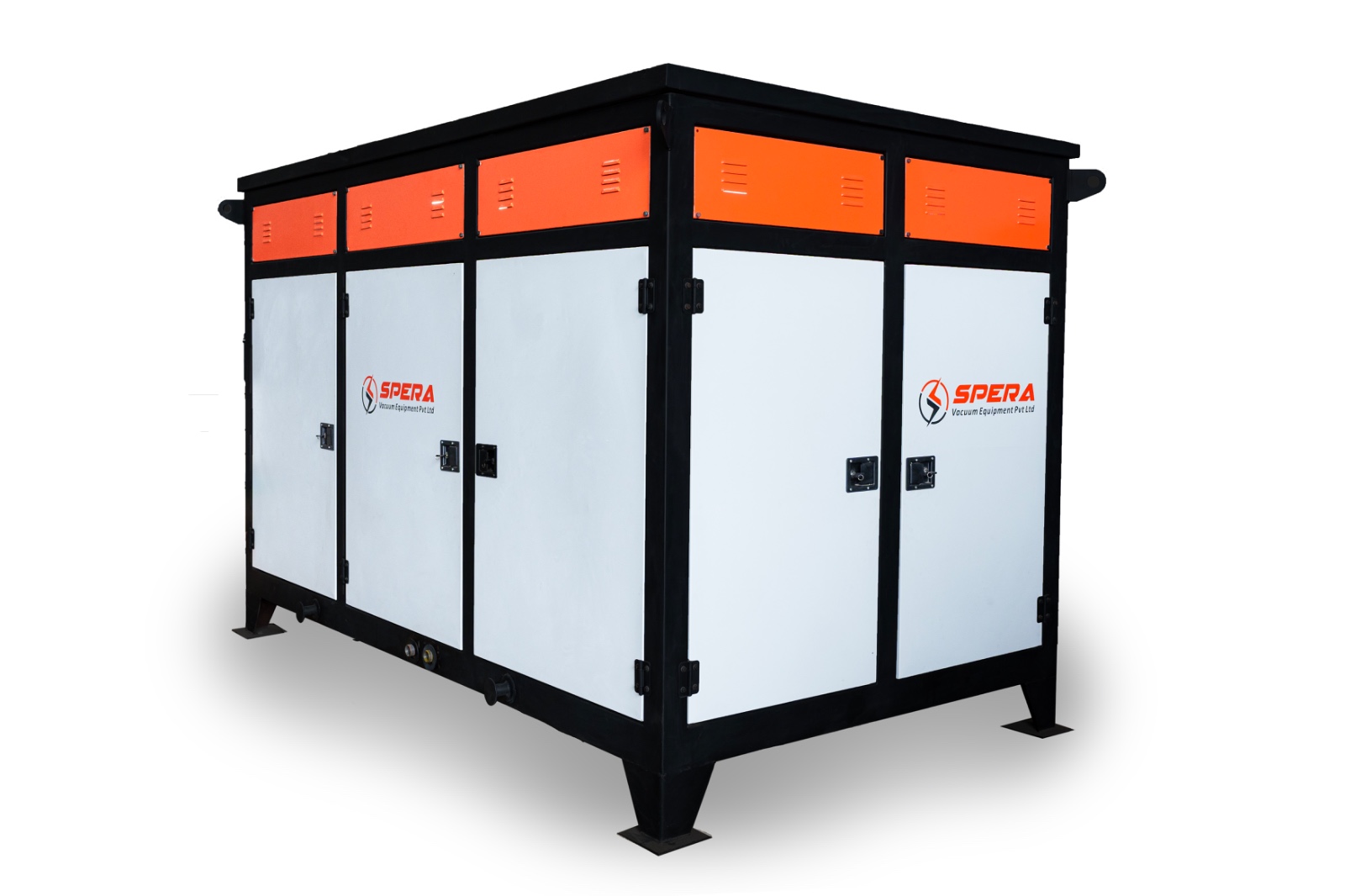
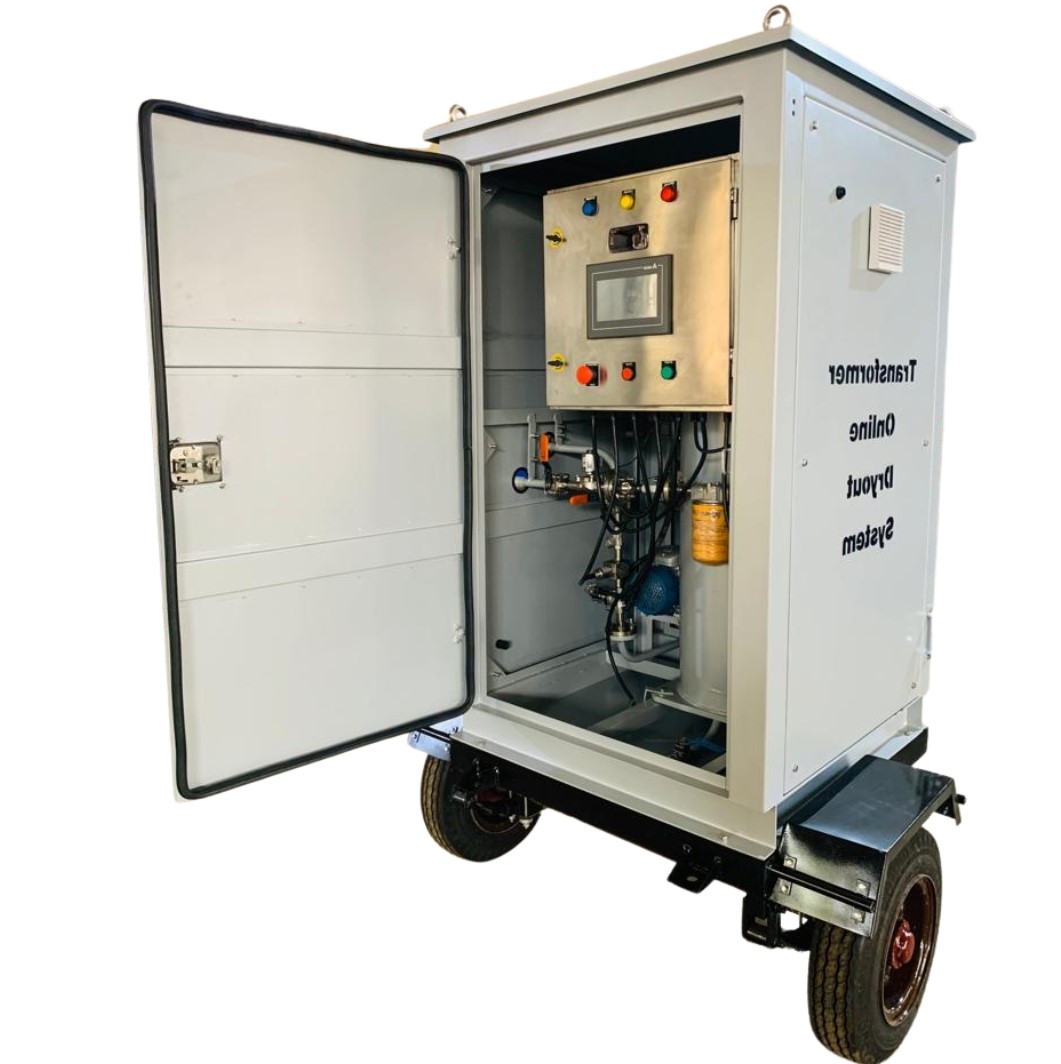
Trolley-mounted and skid-mounted units are particularly suitable for large industrial plants, power stations, and remote project sites.
Key Features of Spera Vacuum's Turbine/Lubricating Oil Filtration Plant
Spera Vacuum designs and manufactures advanced Turbine/Lubricating Oil Filtration Plants that deliver efficient oil purification for power plants, manufacturing facilities, refineries, and heavy industries. Built using advanced vacuum technology and precision filtration systems, these plants help restore oil quality while reducing maintenance costs and extending equipment life.
Key features include:
- High vacuum dehydration technology for efficient moisture removal
- Advanced degassing system to eliminate dissolved gases
- Multi-stage precision filtration for removing fine contaminants
- PLC & HMI-based automation for easy operation and monitoring
- Online and offline oil filtration capability
- Portable, trolley-mounted, and stationary models
- Energy-efficient operation with optimized heating systems
- Heavy-duty industrial construction for continuous operation
- Low maintenance design with easy filter replacement
- Custom-built capacities to meet specific industrial requirements
Every Turbine/Lubricating Oil Filtration Plant is engineered to restore lubricant quality while ensuring reliable and consistent performance in demanding industrial environments.
How to Choose the Right Turbine/Lubricating Oil Filtration Plant
Selecting the right Turbine/Lubricating Oil Filtration Plant depends on several operational factors. Choosing a system that matches your application helps improve purification efficiency, reduce operating costs, and maximize equipment protection.
Water Level in the Oil
First confirm the water level in the oil. General moisture levels can be removed via vacuum dehydration, but higher water content requires a dedicated water separator system.
Oil Capacity
Consider the volume of lubricating oil that requires purification. Higher-capacity plants reduce processing time for large industrial installations and centralized lubrication systems.
Filtration Efficiency
Choose a system equipped with multi-stage filtration capable of removing microscopic particles, sludge, varnish precursors, and oxidation products while maintaining the oil's original properties.
Vacuum Performance
A deep vacuum system is essential for effectively removing free water, dissolved moisture, and dissolved gases from lubricating oil.
Automation
PLC-controlled systems with HMI interfaces simplify operation by automatically monitoring vacuum levels, oil temperature, flow rate, and system pressure, ensuring consistent purification results.
Mobility Requirements
If your maintenance team services equipment at different locations, portable or trolley-mounted filtration units provide greater flexibility and reduce maintenance downtime.
Energy Efficiency
Energy-efficient filtration plants lower operating costs while maintaining excellent purification performance, making them ideal for continuous industrial operation.
Why Choose Spera Vacuum?
Spera Vacuum has established itself as a trusted manufacturer of industrial vacuum engineering solutions, serving transformer manufacturers, power plants, heavy industries, EPC contractors, and maintenance organizations.
Every Turbine/Lubricating Oil Filtration Plant is designed to deliver reliable oil purification, long service life, and low operating costs.
Customers choose Spera Vacuum because of:
- Advanced vacuum oil purification technology
- High-efficiency dehydration and degassing systems
- Precision multi-stage filtration
- Custom-designed solutions for industrial applications
- PLC & HMI automation options
- Portable and stationary configurations
- Energy-efficient operation
- Rugged industrial construction
- Reliable technical support
- Comprehensive after-sales service
Whether you operate a power generation facility, refinery, manufacturing plant, or heavy engineering workshop, Spera Vacuum provides dependable solutions for maintaining clean lubricating oil and protecting critical equipment.
Frequently Asked Questions
What is a Turbine/Lubricating Oil Filtration Plant?
A Turbine/Lubricating Oil Filtration Plant is an advanced oil purification system that removes moisture, sludge, dissolved gases, oxidation products, and solid contaminants from turbine oils and industrial lubricating oils. The purified oil regains its lubrication properties, helping improve equipment reliability and extend service life.
Why is lubricating oil filtration important?
Regular filtration removes contaminants that reduce lubrication efficiency and accelerate equipment wear. Clean oil improves machine performance, reduces maintenance costs, and helps prevent unexpected breakdowns.
Can filtered lubricating oil be reused?
Yes. High-quality filtration systems restore oil cleanliness while preserving the base oil and additive package, allowing the oil to be safely reused and significantly reducing replacement costs.
Which industries use Turbine/Lubricating Oil Filtration Plants?
These systems are widely used in:
- Thermal power plants
- Hydroelectric stations
- Gas turbine facilities
- Steel plants
- Cement industries
- Paper mills
- Petrochemical plants
- Refineries
- Marine industries
- Mining operations
- Heavy engineering industries
What contaminants are removed during filtration?
A Turbine/Lubricating Oil Filtration Plant removes:
- Free water
- Dissolved moisture
- Dissolved gases
- Sludge
- Carbon particles
- Dust
- Rust
- Metal wear particles
- Oxidation products
- Mechanical impurities
How often should lubricating oil be filtered?
The filtration schedule depends on operating hours, contamination levels, equipment type, and oil analysis reports. Many industries include oil filtration as part of their preventive maintenance program to maintain consistent oil quality.
Conclusion
Industrial lubricating oil plays a vital role in protecting turbines, bearings, gearboxes, compressors, hydraulic systems, and other rotating equipment. Over time, contamination from moisture, oxidation, sludge, metal particles, and dissolved gases can significantly reduce lubrication performance, increase equipment wear, and lead to costly downtime.
A high-performance Turbine/Lubricating Oil Filtration Plant offers an efficient and economical solution by restoring oil quality through vacuum dehydration, degassing, and precision filtration. Instead of replacing expensive lubricants, industries can extend oil life, improve equipment reliability, reduce maintenance costs, and support more sustainable operations.
Whether you manage a power plant, manufacturing facility, refinery, or heavy industrial operation, investing in advanced oil purification technology is a smart long-term strategy for protecting critical assets and maximizing productivity.
Recent Posts
Contact
Have a project in mind? Contact Us
From oil purification and evacuation systems to VPI and drying plants, our team delivers reliable, high-performance solutions tailored to your industrial requirements.
Opening Hours
Mon - Sat
09 AM - 07 PM
Get in Touch
Our skilled engineering team is ready to assist you with any inquiries.