

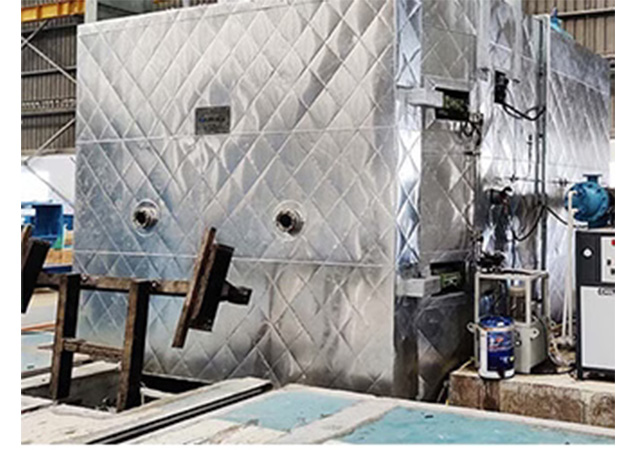
Vacuum Drying Plant: The Complete Guide to Transformer Drying, Moisture Removal & Reliable Transformer Performance
Vacuum Drying Plant: Why Moisture-Free Transformers Are Critical for Reliable Power Systems
Power transformers are among the most valuable assets in electrical transmission and distribution networks. They operate continuously under demanding electrical and thermal conditions, making insulation reliability one of the most critical factors determining transformer performance and lifespan.
While transformer oil plays an essential role in cooling and electrical insulation, the transformer's active part—including windings, insulation paper, pressboard, and core assembly—must also remain completely dry. Even a small amount of moisture trapped inside the insulation can significantly reduce dielectric strength, accelerate insulation ageing, and increase the risk of transformer failure.
This is why transformer manufacturers, repair workshops, utilities, and industrial maintenance teams rely on high-performance Vacuum Drying Plants to remove moisture from transformer insulation before oil filling or after repair.
Vacuum drying is one of the most important manufacturing and maintenance processes for ensuring transformer reliability, operational safety, and long service life.
What is a Vacuum Drying Plant?
A Vacuum Drying Plant is a specialized system designed to remove moisture from transformer active parts by combining controlled heating with deep vacuum technology.
Unlike conventional heating methods, vacuum drying removes both surface moisture and deeply absorbed water trapped within insulation materials such as:
- Cellulose insulation paper
- Pressboard insulation
- Transformer windings
- Transformer core assemblies
- Wooden insulation components
- Insulating structural materials
The drying process takes place inside a sealed vacuum chamber where pressure is drastically reduced. Under deep vacuum conditions, water evaporates at much lower temperatures, allowing complete moisture removal without damaging delicate insulation materials.
The result is a dry transformer that offers superior dielectric strength, improved insulation resistance, and significantly enhanced operational reliability.
Why is Moisture Dangerous for Transformers?
Moisture is one of the leading causes of transformer insulation failure. Even a relatively small amount of water absorbed by insulation paper can drastically reduce its electrical strength.
When moisture enters a transformer, it affects both the insulating oil and the solid insulation system.
Common sources of moisture include:
- Atmospheric humidity
- Improper storage
- Manufacturing processes
- Transformer repairs
- Oil contamination
- Aging insulation
- Leaking gaskets
- Condensation
Over time, moisture penetrates deep into cellulose insulation where it becomes extremely difficult to remove without specialized vacuum drying equipment.
Effects of Moisture on Transformer Performance
Reduced Dielectric Strength
Water molecules reduce the electrical insulating capability of cellulose insulation, increasing the possibility of electrical breakdown.
Accelerated Insulation Ageing
Moisture speeds up cellulose degradation, permanently reducing transformer life expectancy.
Lower Insulation Resistance
Wet insulation allows leakage current to flow more easily, reducing transformer efficiency.
Partial Discharge Formation
Moisture increases the likelihood of internal electrical discharges that damage insulation over time.
Reduced Breakdown Voltage
High moisture content negatively affects transformer oil as well as solid insulation, lowering dielectric strength.
Higher Maintenance Costs
Transformers with excessive moisture require frequent maintenance, repairs, and oil treatment, resulting in increased operational expenses.
How Does a Vacuum Drying Plant Work?
Modern Vacuum Drying Plants combine controlled heating, deep vacuum generation, and precise process control to achieve efficient moisture removal.
The drying process typically consists of several stages.
Step 1 – Loading the Transformer Active Part
The transformer core and winding assembly is placed inside a specially designed vacuum drying chamber.
The chamber is securely sealed to maintain extremely low internal pressure throughout the drying cycle.
Step 2 – Controlled Heating
Heat is gradually applied to the transformer insulation.
Instead of overheating components, the system carefully raises the temperature to promote moisture evaporation while protecting insulation materials from thermal damage.
Uniform heating ensures that moisture trapped deep inside cellulose insulation migrates toward the surface.
Step 3 – Deep Vacuum Creation
High-capacity vacuum pumps reduce the chamber pressure dramatically.
Under vacuum conditions, water boils at much lower temperatures than under atmospheric pressure.
This enables efficient moisture removal without exposing insulation to excessive heat.
Step 4 – Moisture Extraction
As moisture evaporates, it is continuously extracted by the vacuum system.
Special moisture separators and condensers prevent water vapor from returning to the drying chamber, ensuring maximum drying efficiency.
Step 5 – Cooling and Completion
Once the desired moisture level has been achieved, the transformer is cooled under controlled conditions before proceeding to oil filling and final assembly.
The result is a thoroughly dried transformer ready for long-term service.
Components of a Vacuum Drying Plant
A high-performance Vacuum Drying Plant is engineered with several integrated systems that work together to ensure complete moisture removal from transformer insulation while maintaining process safety and efficiency.
Vacuum Chamber
The vacuum chamber is the heart of the drying plant. It is designed to withstand high vacuum conditions and accommodates transformer active parts of various sizes. Constructed from heavy-duty steel, the chamber provides a sealed environment where moisture can be effectively extracted without contamination.
High Vacuum Pumping System
A robust vacuum pump creates the deep vacuum necessary for efficient drying. By lowering the pressure inside the chamber, moisture evaporates at significantly lower temperatures, enabling safe and thorough drying of transformer insulation.
Heating System
The controlled heating system gradually raises the temperature of the transformer active part. Uniform heating ensures moisture is released evenly from insulation paper, pressboard, and windings without causing thermal stress or damage.
Moisture Condenser
As moisture evaporates, it is converted into vapor. The condenser cools this vapor, converting it back into liquid water for safe removal from the system. This prevents moisture from re-entering the vacuum chamber and improves drying efficiency.
Control Panel and Automation
Modern Vacuum Drying Plants are equipped with PLC-based control systems and HMI touchscreens that allow operators to monitor and control every stage of the drying cycle. Automated process control ensures consistent performance, reduces operator intervention, and enhances safety.
Vacuum Measurement Instruments
Precision gauges continuously monitor chamber pressure to ensure optimal vacuum levels are maintained throughout the drying process.
Types of Vacuum Drying Plants
Different transformer manufacturers and service providers have varying production requirements. As a result, Vacuum Drying Plants are available in multiple configurations.
Batch Vacuum Drying Plant
Ideal for transformer manufacturers and repair facilities, batch systems dry one transformer active part at a time while maintaining precise process control.
Horizontal Vacuum Drying Plant
Horizontal chamber designs are widely used for medium and large power transformers, providing easy loading and unloading of heavy transformer assemblies.
Vertical Vacuum Drying Plant
Vertical systems are suitable for specific transformer designs and applications where space optimization or loading orientation is critical.
Custom Vacuum Drying Systems
Manufacturers such as Spera Vacuum also offer customized Vacuum Drying Plants designed to meet unique production capacities, transformer dimensions, and automation requirements.
Benefits of Using a Vacuum Drying Plant
Investing in a modern Vacuum Drying Plant offers numerous technical and economic advantages.
Complete Moisture Removal
Deep vacuum technology removes moisture from even the innermost layers of cellulose insulation, ensuring long-lasting transformer reliability.
Improved Dielectric Strength
Dry insulation significantly enhances dielectric performance, reducing the likelihood of electrical failures.
Longer Transformer Life
Lower moisture content slows insulation ageing, helping transformers achieve a much longer operational lifespan.
Higher Insulation Resistance
Removing moisture improves insulation resistance, ensuring safer and more efficient transformer operation.
Reduced Risk of Partial Discharge
Dry insulation minimizes the possibility of partial discharge activity that can permanently damage transformer components.
Energy-Efficient Drying
Vacuum drying removes moisture at relatively low temperatures, consuming less energy than conventional drying methods while delivering superior results.
Consistent Drying Quality
Automated control systems ensure repeatable drying cycles with consistent performance across different transformer sizes.
Lower Maintenance Costs
Properly dried transformers experience fewer failures, reduced maintenance requirements, and lower lifecycle costs.
Applications of Vacuum Drying Plants
Vacuum Drying Plants play an essential role across the electrical power industry and heavy engineering sectors.
They are commonly used in:
- Power transformer manufacturing
- Distribution transformer production
- Transformer repair and refurbishment facilities
- Electrical equipment manufacturing
- Utility maintenance workshops
- Power generation plants
- Railway electrification projects
- Renewable energy installations
- Heavy engineering industries
- EPC companies
- High-voltage equipment manufacturing
These industries depend on reliable insulation systems to ensure uninterrupted operation and compliance with stringent quality standards.
Vacuum Drying in Transformer Manufacturing
During transformer manufacturing, insulation materials naturally absorb moisture from the atmosphere. If this moisture is not removed before oil filling, it can compromise the performance and reliability of the finished transformer.
A Vacuum Drying Plant ensures that every transformer leaves the manufacturing facility with insulation that meets the required moisture specifications. This not only improves product quality but also reduces the risk of premature failures in the field.
For transformer manufacturers, vacuum drying has become a critical step in delivering high-performance equipment that meets international standards and customer expectations.
Vacuum Drying During Transformer Repair
When transformers undergo repair or refurbishment, the active parts are often exposed to ambient air for extended periods. During this time, insulation materials absorb moisture, making vacuum drying essential before the transformer is returned to service.
Repair workshops use Vacuum Drying Plants to restore insulation integrity, improve dielectric performance, and prepare transformers for safe oil filling and commissioning.
This process significantly enhances the reliability of repaired transformers and helps extend their service life.
Key Features of Spera Vacuum's Vacuum Drying Plant
Spera Vacuum designs and manufactures advanced Vacuum Drying Plants that deliver efficient, reliable, and energy-conscious transformer drying solutions.
Key features include:
- Heavy-duty vacuum chamber construction
- High-capacity vacuum pumping systems
- Uniform controlled heating technology
- Efficient moisture condensation system
- PLC and HMI-based automation
- User-friendly operation
- Energy-efficient drying cycles
- Custom-built chamber sizes
- Low maintenance requirements
- Robust industrial design for continuous operation
Every system is engineered to provide precise moisture removal while ensuring the safety of transformer insulation throughout the drying cycle.
How to Choose the Right Vacuum Drying Plant
Selecting the right Vacuum Drying Plant is essential for achieving efficient transformer drying while maximizing productivity and minimizing operating costs. Since transformer manufacturers and repair facilities have different production requirements, choosing a system that matches your operational needs is crucial.
When evaluating a Vacuum Drying Plant, consider the following factors:
Drying Chamber Size
The chamber should be capable of accommodating the largest transformer active part you intend to process. Selecting an appropriately sized chamber ensures efficient drying without compromising productivity.
Vacuum Performance
A high-capacity vacuum system enables deeper vacuum levels, faster moisture removal, and improved insulation drying quality.
Heating Technology
Uniform and controlled heating is essential to prevent localized overheating while ensuring moisture evaporates consistently throughout the transformer insulation.
Automation Level
Modern PLC-controlled systems simplify operation by automating heating, vacuum generation, drying cycles, and safety monitoring. Automated systems also improve repeatability and reduce operator dependency.
Energy Efficiency
An energy-efficient Vacuum Drying Plant lowers operational costs while maintaining excellent drying performance. Efficient insulation, optimized heating systems, and advanced vacuum technology contribute to reduced power consumption.
Customization Options
Every transformer manufacturer has unique production requirements. Selecting a supplier that offers customized chamber dimensions, heating capacities, and automation options ensures the equipment aligns perfectly with your workflow.
Why Choose Spera Vacuum?
Spera Vacuum has established itself as a trusted manufacturer of advanced vacuum engineering solutions for transformer manufacturing, repair, and industrial applications. With a focus on quality, innovation, and customer satisfaction, the company delivers reliable systems designed to meet the demanding requirements of modern electrical industries.
Customers choose Spera Vacuum's Vacuum Drying Plant because of:
- Advanced vacuum drying technology
- Heavy-duty industrial construction
- High-performance vacuum pumping systems
- Uniform and controlled heating
- PLC & HMI automation options
- Energy-efficient operation
- Customized chamber sizes
- Reliable drying performance
- Low maintenance requirements
- Strong technical support and after-sales service
Whether you are a transformer manufacturer, repair workshop, utility, or EPC contractor, Spera Vacuum provides solutions that help improve transformer quality, reduce downtime, and extend equipment life.
Frequently Asked Questions
What is the purpose of a Vacuum Drying Plant?
A Vacuum Drying Plant removes moisture from transformer insulation materials such as cellulose paper, pressboard, and windings. The process improves dielectric strength, insulation resistance, and transformer reliability.
Why is vacuum used instead of normal heating?
Vacuum lowers the boiling point of water, allowing moisture to evaporate at much lower temperatures. This enables thorough drying without damaging sensitive insulation materials.
Can a Vacuum Drying Plant improve transformer life?
Yes. Removing moisture significantly reduces insulation ageing, minimizes the risk of electrical failures, and helps extend the operational life of transformers.
Which industries use Vacuum Drying Plants?
Vacuum Drying Plants are widely used in:
- Transformer manufacturing
- Transformer repair workshops
- Power generation plants
- Electrical utilities
- Railway electrification
- Renewable energy projects
- Heavy engineering industries
- High-voltage equipment manufacturing
How long does the vacuum drying process take?
The drying cycle depends on factors such as transformer size, insulation moisture content, and system capacity. Modern automated Vacuum Drying Plants optimize drying time while ensuring complete moisture removal.
Can Vacuum Drying Plants be customized?
Yes. Spera Vacuum offers customized Vacuum Drying Plants designed to meet specific chamber sizes, production capacities, automation requirements, and customer applications.
Conclusion
Moisture is one of the most significant threats to transformer reliability, insulation performance, and service life. Even small amounts of trapped moisture within transformer insulation can reduce dielectric strength, accelerate ageing, and increase the likelihood of costly failures.
A high-quality Vacuum Drying Plant provides an effective solution by combining controlled heating with deep vacuum technology to remove moisture safely and efficiently. The result is improved insulation resistance, enhanced dielectric performance, longer transformer life, and reduced maintenance costs.
Whether you manufacture new transformers, refurbish existing units, or maintain critical power infrastructure, investing in advanced vacuum drying technology ensures your transformers meet the highest standards of quality, safety, and reliability.
For organizations seeking dependable and energy-efficient transformer drying solutions, Spera Vacuum offers customized Vacuum Drying Plants designed for superior performance, operational efficiency, and long-term value.
Recent Posts
Contact
Have a project in mind? Contact Us
From oil purification and evacuation systems to VPI and drying plants, our team delivers reliable, high-performance solutions tailored to your industrial requirements.
Opening Hours
Mon - Sat
09 AM - 07 PM
Get in Touch
Our skilled engineering team is ready to assist you with any inquiries.