

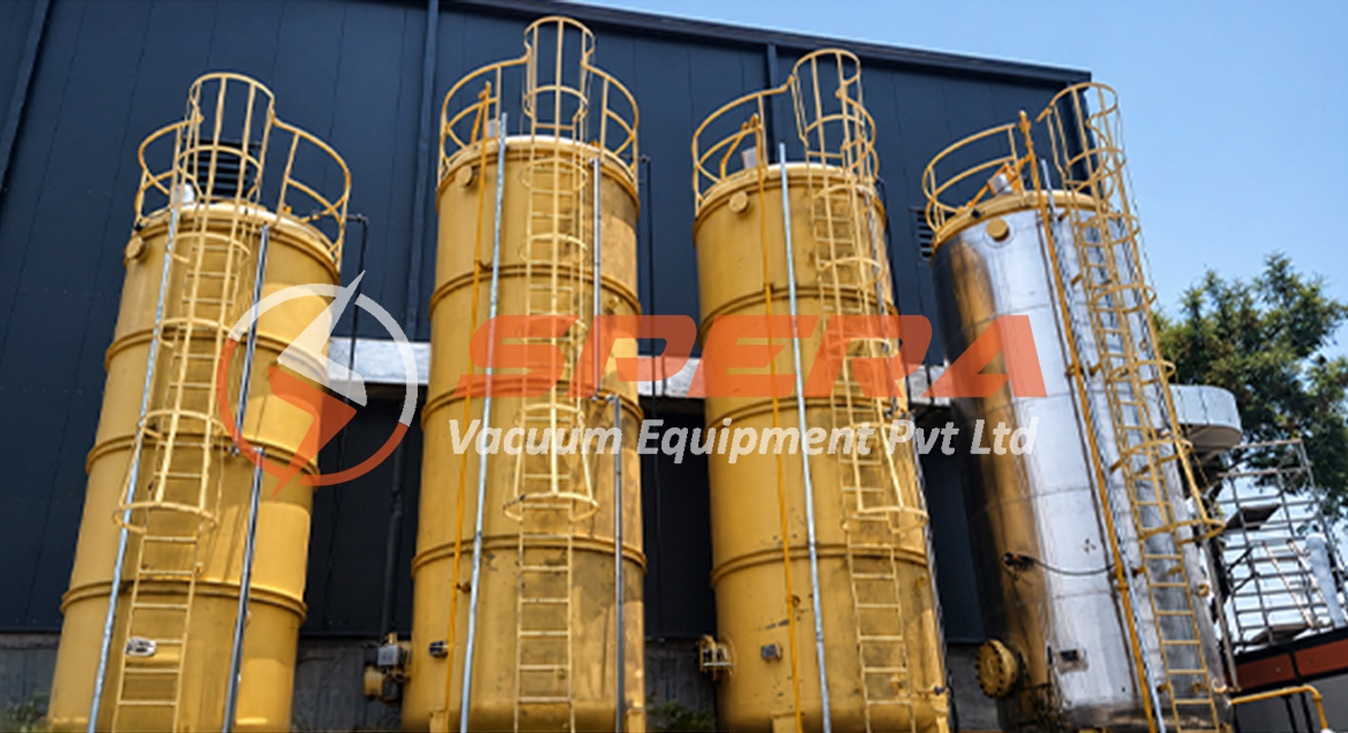
Oil Handling System: Safe and Efficient Transformer Oil Management
Transformer oil plays an important role in the operation of oil-filled electrical equipment. It provides insulation, helps manage heat, and needs to maintain suitable cleanliness and dielectric performance throughout the equipment's service life.
However, maintaining transformer oil quality is not only about filtration.
The way oil is stored, transferred, circulated, heated, and filled also matters. During handling, oil can pick up moisture or contaminants if the process is not properly controlled. Repeated manual transfers can also increase oil losses, handling time, and contamination risks.
This is where a properly designed Oil Handling System becomes valuable.
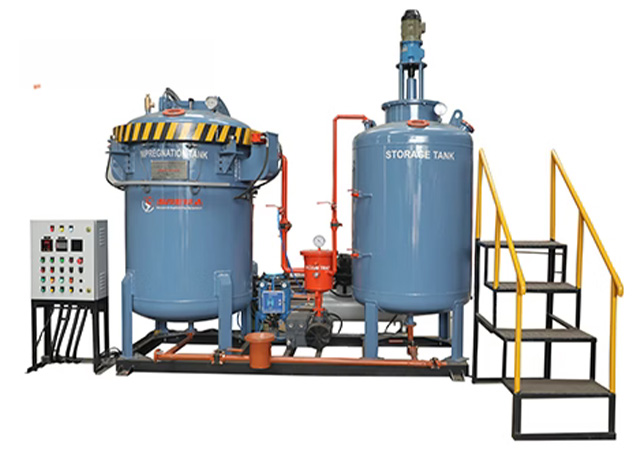
An oil handling system provides a controlled way to move transformer insulating oil between storage tanks, filtration equipment, transformers, testing setups, and other process equipment. Depending on the configuration, the system can also incorporate heating, filtration, circulation, pumping, and automated control.
Spera Vacuum Equipment Pvt. Ltd. manufactures Transformer Oil Handling Systems for transformer manufacturers, power utilities, repair workshops, service providers, and EPC contractors.
What Is an Oil Handling System?
An Oil Handling System is an industrial setup designed for the controlled storage, transfer, circulation, filtration, heating, and filling of transformer insulating oil.
Instead of depending on separate temporary pumps, hoses, tanks, and manual connections, an integrated system brings the major oil-handling operations together.
A typical system can include:
- Oil transfer pumps
- Storage and buffer tanks
- Filtration units
- Heating arrangements
- Piping
- Valves and manifolds
- Control systems
The exact configuration depends on the transformer application, oil volume, production process, and whether the equipment is intended for a manufacturing plant, testing facility, workshop, or field-service operation.
Why Is Proper Transformer Oil Handling Important?
Transformer oil needs to remain clean and dry to perform its insulation and cooling functions effectively.
This makes oil handling an important part of transformer manufacturing and maintenance.
For example, oil may have already been filtered and processed, but if it is subsequently transferred through unsuitable equipment or stored in an uncontrolled environment, it can become contaminated again before reaching the transformer.
This is why oil management should not stop at filtration.
The complete movement of the oil — from storage and transfer to circulation and final filling — needs to be properly managed.
A controlled handling system helps create a more structured process and reduces unnecessary manual connections and transfers.
What Can Happen With Poor Oil Handling?
Poor oil handling may not create an immediately visible problem, but uncontrolled transfer, storage, or exposure can affect the condition of transformer oil.
Potential concerns include:
- Increased contamination risk
- Moisture entering the oil
- Reduced oil cleanliness
- Lower dielectric performance
- Oil wastage during transfer
- Longer handling time
- Increased manual intervention
- Additional maintenance downtime
For transformer manufacturers and service teams, these issues can also interrupt the overall production or maintenance workflow.
A dedicated system helps make oil movement more controlled and repeatable.
How Does an Oil Handling System Work?
The exact arrangement depends on the application, but the basic process generally follows a straightforward sequence.
1. Oil Storage
Transformer oil is stored in dedicated storage or buffer tanks.
These tanks provide a controlled source of oil for subsequent transfer, filtration, circulation, or filling operations.
Spera Vacuum offers insulated oil storage and buffer tanks as part of its Oil Handling System configuration.
2. Oil Transfer
High-capacity oil transfer pumps move the oil from one point to another.
This may involve transferring oil:
- From bulk storage to filtration equipment
- From filtration equipment to a transformer
- Between different process stages
- From one storage tank to another
The piping and valve arrangement directs the oil according to the required operation.
3. Filtration
Where filtration is included, transformer oil can pass through filtration equipment before reaching its final application.
This helps maintain oil cleanliness during handling.
Filtration can also be integrated into the broader oil treatment process instead of relying entirely on separate manual connections.
4. Oil Heating
Some transformer oil-handling operations require controlled heating.
The system can include an oil heating and temperature-control arrangement to maintain the required processing conditions.
This can be useful when oil temperature needs to be managed during specific treatment or filling operations.
5. Circulation
Oil circulation can be used during pre-filling operations or other transformer processing stages.
Controlled circulation allows oil to move through the required equipment and process lines in a structured manner.
6. Final Oil Filling
Once the oil has been processed according to the required procedure, it can be transferred for transformer filling.
This makes the handling system an important connection between oil storage, treatment equipment, transformer manufacturing, testing, and commissioning.
Main Components of an Oil Handling System
An integrated system consists of several components that work together rather than operating as isolated pieces of equipment.
Oil Transfer Pumps
Pumps provide the required movement of transformer oil between tanks, filtration equipment, transformers, and other process points.
Our systems use high-capacity oil transfer pumps.
Storage and Buffer Tanks
Storage tanks hold transformer oil before or after processing.
Buffer tanks can help manage oil flow between different stages of the operation.
Filters
Filtration units help maintain oil cleanliness during the handling process.
Depending on the system configuration, filtration can be integrated directly into the handling setup.
Heating System
A controlled heating arrangement can be included where the application requires heated oil.
Temperature control helps maintain the required processing conditions.
Piping and Valve Manifolds
The piping network connects different parts of the system, while valve manifolds control where the oil flows.
Multi-line piping and valve arrangements can be configured according to the required process connections.
PLC/HMI Control
For automated systems, PLC/HMI control provides a centralized interface for managing pumps, valves, heating, circulation, and other operations.
Oil Handling System vs. Separate Manual Equipment
Many smaller operations may begin with individual tanks, pumps, hoses, and manual valves.
This can be practical for occasional oil movement. However, the requirements change when oil handling becomes a regular part of transformer manufacturing, testing, or servicing.
| Separate Manual Equipment | Integrated Oil Handling System |
|---|---|
| Multiple independent components | Components integrated into one system |
| More manual connections | Controlled piping and valve arrangement |
| Greater operator dependence | Centralized process control |
| Oil transfer may be slower | Designed for efficient oil movement |
| Greater possibility of handling errors | More structured process |
| Difficult to scale consistently | Custom capacities and layouts available |
The advantage of an integrated system is not simply automation. It is having the right equipment connected in the right sequence for the application.
Where Are Oil Handling Systems Used?
Oil Handling Systems are useful wherever transformer oil needs to be stored, transferred, circulated, processed, or filled under controlled conditions.
Transformer Manufacturing Plants
During transformer manufacturing, oil may need to move between storage, filtration, testing, and filling stages.
An integrated system helps connect these operations into a more organized workflow.
Transformer Testing Setups
Testing environments may require controlled oil transfer and circulation before or during testing activities.
Power Utilities
Utilities can use oil handling equipment for transformer maintenance, servicing, oil replacement, and related field operations.
Repair Workshops
Transformer repair and servicing often involve draining, storing, filtering, replacing, and refilling oil.
A dedicated handling system can make these operations more organized and efficient.
EPC and Field Service Operations
Portable or skid-mounted configurations can be useful when oil handling equipment needs to be transported between different locations.
This can be particularly relevant for field servicing, maintenance, and commissioning.
Applications of a Transformer Oil Handling System
The equipment can support several common transformer oil operations:
- Transformer oil storage and transfer
- Pre-filling oil circulation
- Transformer manufacturing lines
- Transformer testing setups
- Utility maintenance and servicing
- Oil top-up and replacement
- On-site commissioning
These applications make the equipment useful across both factory and field environments.
Key Features of Spera Vacuum's Oil Handling System
The system is designed around controlled and efficient transformer oil movement.
Key features include:
- Efficient oil transfer and circulation
- Integrated filtration and moisture control
- Insulated oil storage and buffer tanks
- Oil heating and temperature control
- High-capacity oil transfer pumps
- Multi-line piping and valve manifold system
- PLC/HMI-based automatic control
- Leak-proof industrial design
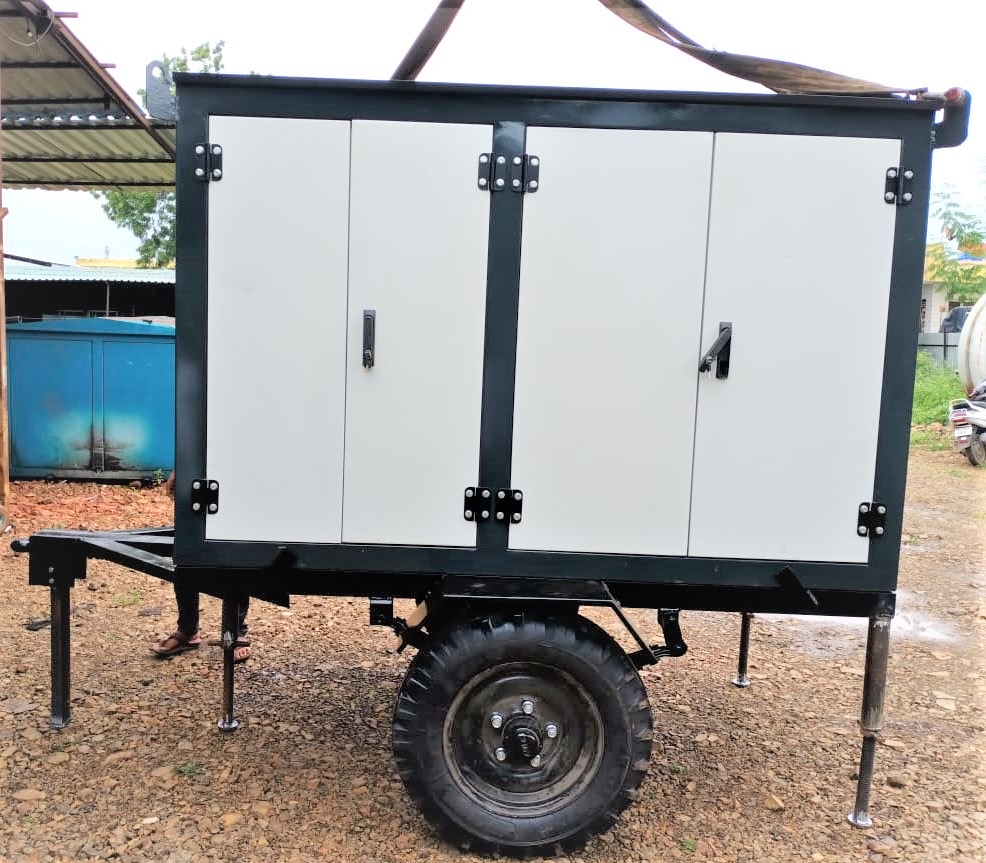
- Portable or stationary skid-mounted models
- Customized capacities and layout options
The availability of portable and stationary configurations allows the equipment to be adapted to different environments, from permanent manufacturing facilities to field-service operations.
Portable vs. Stationary Oil Handling Systems
The appropriate configuration depends largely on where and how the equipment will be used.
Stationary Systems
A stationary setup is generally suited to manufacturing plants, transformer testing facilities, and repair workshops where the equipment remains in one location.
It can be integrated with the existing production or service infrastructure.
Portable Systems
Portable or skid-mounted systems are useful when oil handling needs to take place at different locations.
This can be relevant for:
- Field servicing
- Transformer maintenance
- Commissioning
- Oil replacement
- On-site repair
Spera Vacuum offers both portable and stationary skid-mounted models.
Benefits of Using an Oil Handling System
The main benefit is greater control over a process that is sometimes treated as a simple pumping operation.
Maintains Oil Cleanliness
Integrated handling and filtration arrangements can help reduce the risk of contamination during oil movement.
Reduces Contamination Risk
A controlled system minimizes unnecessary manual transfers, temporary connections, and handling points.
Improves Handling Efficiency
Dedicated pumps, piping, tanks, and valves allow oil to be moved through the required process more efficiently.
Supports Manufacturing Flow
In a transformer manufacturing environment, oil handling can become part of the overall production sequence rather than a separate manual activity.
Reduces Oil Wastage
Better-controlled transfer and storage can help minimize unnecessary oil losses.
Supports Transformer Reliability
Maintaining suitable oil cleanliness and moisture conditions supports the insulation performance of oil-filled electrical equipment.
Reduces Maintenance Downtime
Efficient transfer and servicing arrangements can help reduce the time required for transformer maintenance operations.
Why PLC/HMI Control Matters
An oil handling process may involve several operations taking place in a defined sequence.
The operator may need to manage pumps, valves, heating, circulation, and filtration depending on the selected process.
A PLC/HMI-based control system provides a centralized interface for managing these operations.
Instead of manually controlling each component independently, the system can be configured around a defined operating sequence.
This can improve process consistency and make the overall equipment easier to operate.
How to Choose an Oil Handling System
The right configuration depends on oil volume, application, location, and process requirements.
Oil Capacity
Determine how much oil needs to be stored, transferred, circulated, or filled during normal operation.
Pump Capacity
The transfer pump should be selected according to the required oil flow and process conditions.
Storage Requirements
Consider whether the application requires dedicated storage tanks, buffer tanks, or both.
Heating Requirements
If heated oil is part of the process, the heating and temperature-control arrangement should be designed around the application.
Filtration
Determine whether filtration needs to be integrated into the handling system or connected to separate oil treatment equipment.
Piping Configuration
The number of process lines, equipment connections, valves, and transfer points should be considered during system design.
Automation
The required level of PLC/HMI control depends on the operating process and desired degree of automation.
Mobility
For field applications, a portable or skid-mounted system may be more practical than a fixed installation.
Spera Vacuum offers customized capacities and layout options according to customer requirements.
Comparing suppliers? See the Oil Handling System product page for features, configurations and customization options, or talk to our engineers about your application.
Why Choose Spera Vacuum?
Spera Vacuum Equipment Pvt. Ltd. manufactures vacuum, filtration, drying, impregnation, and oil-handling equipment for transformer and industrial applications.
Its Oil Handling System is designed around the complete movement of transformer oil — from storage and transfer to circulation, filtration, heating, and final filling.
The company provides customized tank capacities, pump sizes, automation options, and piping solutions according to customer requirements.
Its broader product range also includes transformer oil treatment, evacuation, drying, and impregnation equipment, allowing oil handling to be considered as part of a larger transformer processing setup.
Frequently Asked Questions
What is an Oil Handling System?
An Oil Handling System is an industrial system designed for storing, transferring, circulating, filtering, heating, and filling transformer insulating oil during manufacturing, testing, commissioning, and maintenance.
What equipment is included in an Oil Handling System?
A typical system can include oil transfer pumps, storage or buffer tanks, pipelines, valves, filters, heating equipment, and control systems. The exact configuration depends on the application.
Why is proper transformer oil handling important?
Proper handling helps reduce contamination and moisture entry into transformer oil. Maintaining suitable oil quality supports reliable insulation performance and transformer operation.
Where are Oil Handling Systems used?
They are used in transformer manufacturing plants, electrical testing setups, substations and utility operations, repair workshops, and field-service applications.
Can the Oil Handling System include filtration?
Yes. Filtration and moisture-control arrangements can be incorporated into the system depending on the required process.
Can the system heat transformer oil?
Yes. The system can include oil heating and temperature-control arrangements where required.
Is the system available in portable configurations?
Yes. Portable and stationary skid-mounted configurations are available depending on the application.
Can the Oil Handling System be customized?
Yes. Tank capacities, pump sizes, layouts, automation options, and piping solutions can be configured according to customer requirements.
Conclusion
Transformer oil handling may look like a straightforward pumping operation, but it is an important part of transformer manufacturing and maintenance.
Oil needs to be stored appropriately, transferred without unnecessary contamination, circulated when required, heated under controlled conditions, filtered where necessary, and finally delivered into the transformer or other oil-filled equipment.
An integrated Oil Handling System brings these operations together into a more organized and controllable setup.
Spera Vacuum's system is designed for transformer oil storage, transfer, circulation, filtration, heating, and filling, with options for PLC/HMI automation, portable or stationary skid-mounted configurations, and customized capacities and layouts.
Looking for an Oil Handling System?
If you are a transformer manufacturer, power utility, transformer repair workshop, EPC contractor, or electrical service provider looking for a dedicated solution for transformer oil management, discuss your oil capacity, process requirements, and installation environment with Spera Vacuum.
Explore the Oil Handling System
Explore Spera Vacuum
Recent Posts
Contact
Have a project in mind? Contact Us
From oil purification and evacuation systems to VPI and drying plants, our team delivers reliable, high-performance solutions tailored to your industrial requirements.
Opening Hours
Mon - Sat
09 AM - 07 PM
Get in Touch
Our skilled engineering team is ready to assist you with any inquiries.